






Acoustic stud wall
A sound-insulating stud wall is an additional wall added to an existing wall to reduce sound transmission. This solution helps to reduce noise from neighbours such as conversations, TV noise, etc., on the other side of a wall.


What is an acoustic stud wall?
An acoustic stud wall is an additional wall added to an existing wall with the aim of reducing sound transmission. These claddings are typically installed on the inside of an existing wall and are designed with materials that absorb, isolate, or block sound.
The main function of an acoustic stud wall is to reduce noise pollution. This can be noise from outside, such as traffic, neighbours or industrial noise, or sound from adjacent rooms, such as conversations, music or TV noise. By adding an extra layer of insulation between the existing wall and the acoustic studd wall, sound transmission is reduced and a quieter and more comfortable environment can be created.
Such a wall solution not only has acoustic properties but also serves as thermal insulation. Especially in older houses or with thin partition walls, such as plasterboard walls, this type of wall is often used.
In general, adding a soundproofing stud wall to an existing wall can significantly help reduce noise pollution and create a more comfortable and peaceful living environment.
Sound insulation value of an acoustic stud wall
The sound insulation value of an acoustic stud wall partly depends on the sound insulation value of the existing wall. This value can reach an Rw of 41-44dB, which stands for weighted airborne sound insulation. This indicates how much sound in decibels is blocked. With sound insulation from 40dB, a normal conversation is barely audible, and a conversation with raised voices is not easily understandable.
Thermal insulation stud wall
In addition to sound insulation, a stud wall can also serve as thermal insulation. By adding insulation material between the existing wall and the stud wall, heat loss can be reduced, and the energy efficiency of a building can be improved.
Acoustic insulation for a stud wall
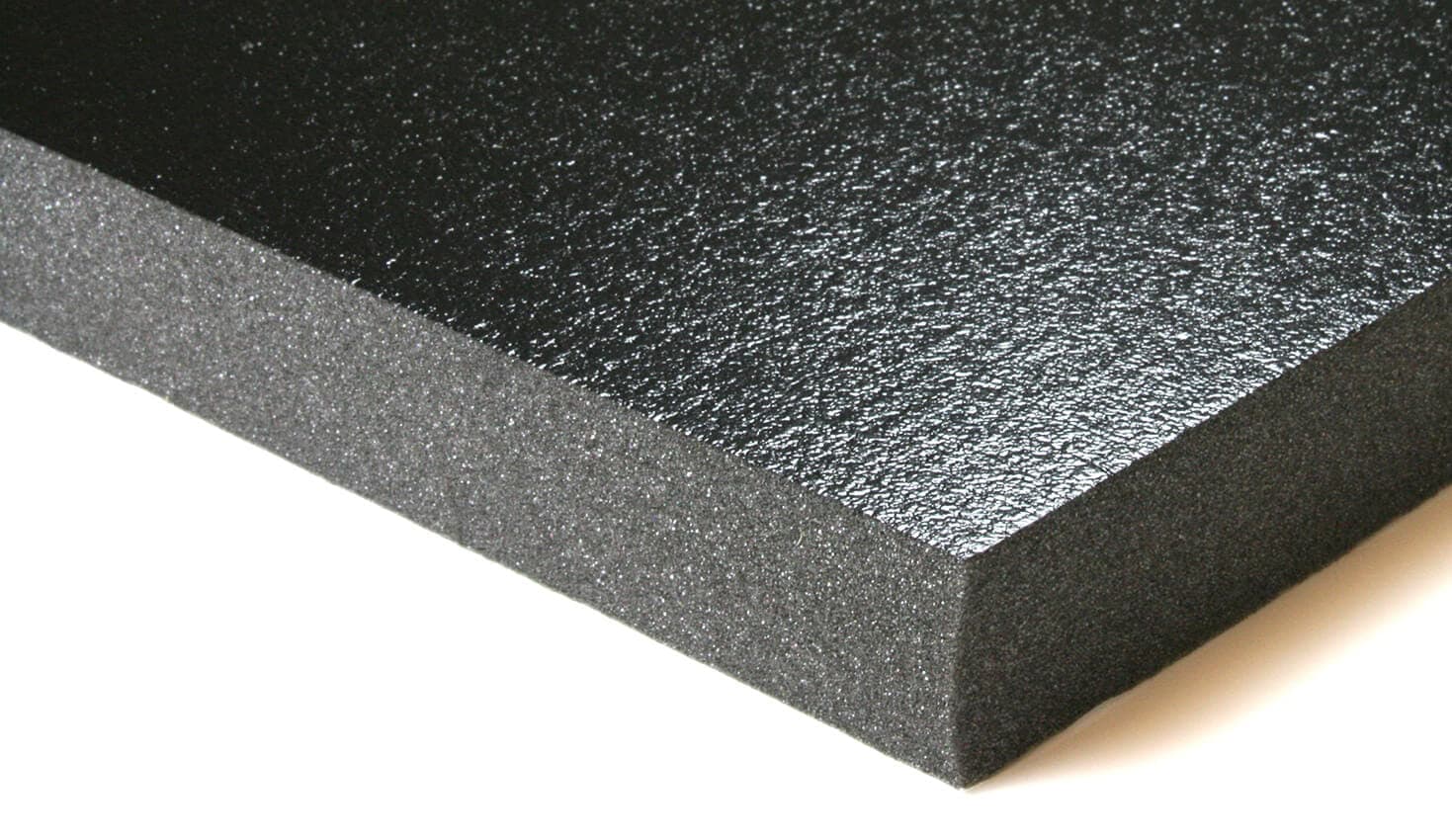
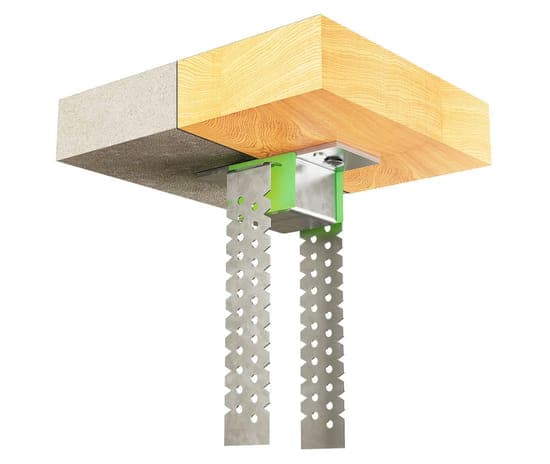
If you want to build a wall yourself using battens, cavity insulation, and plasterboard, it is important to mount the battens without contact. This can be done using vibration isolation strips, such as EASYbond or Cyclin edge strips.
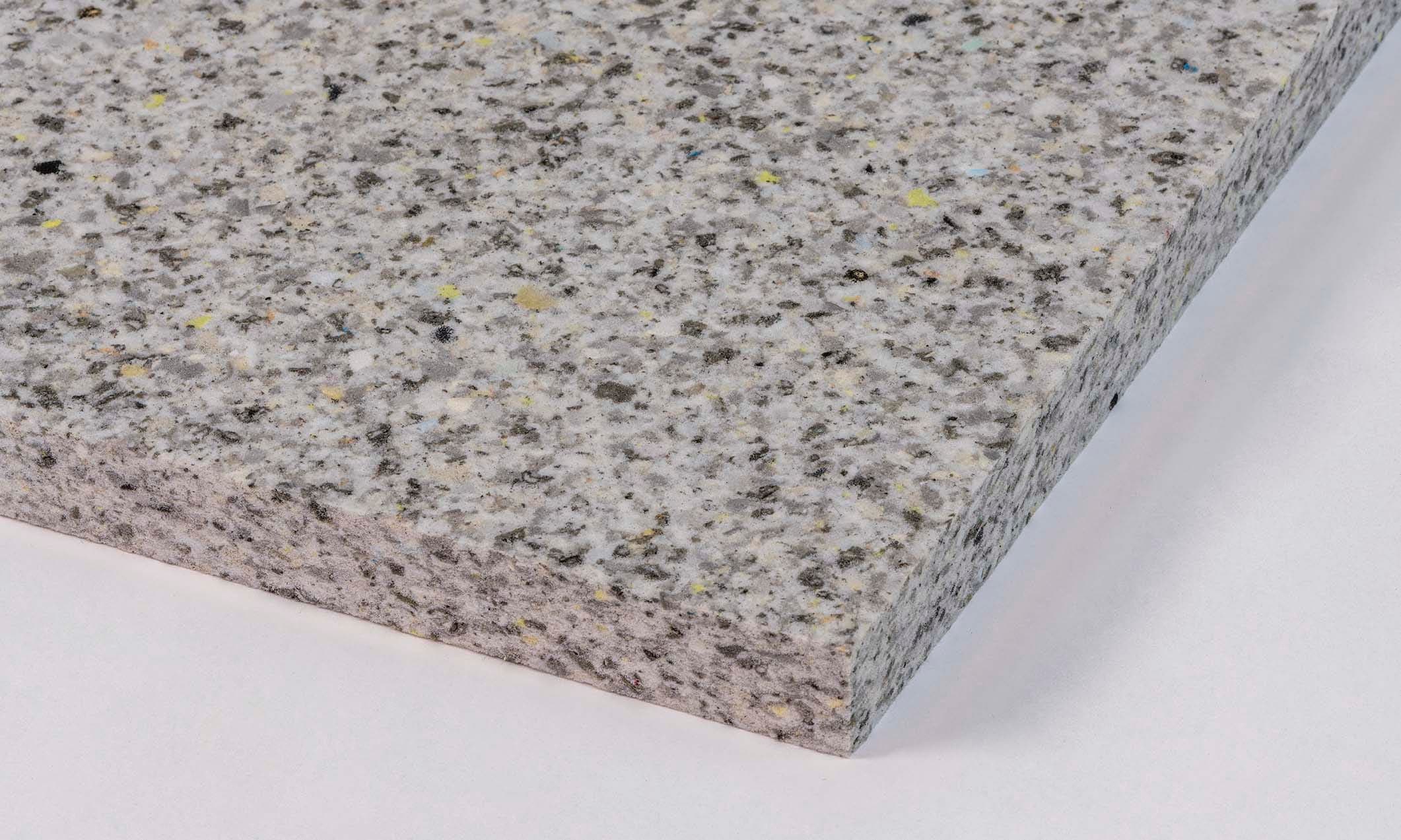
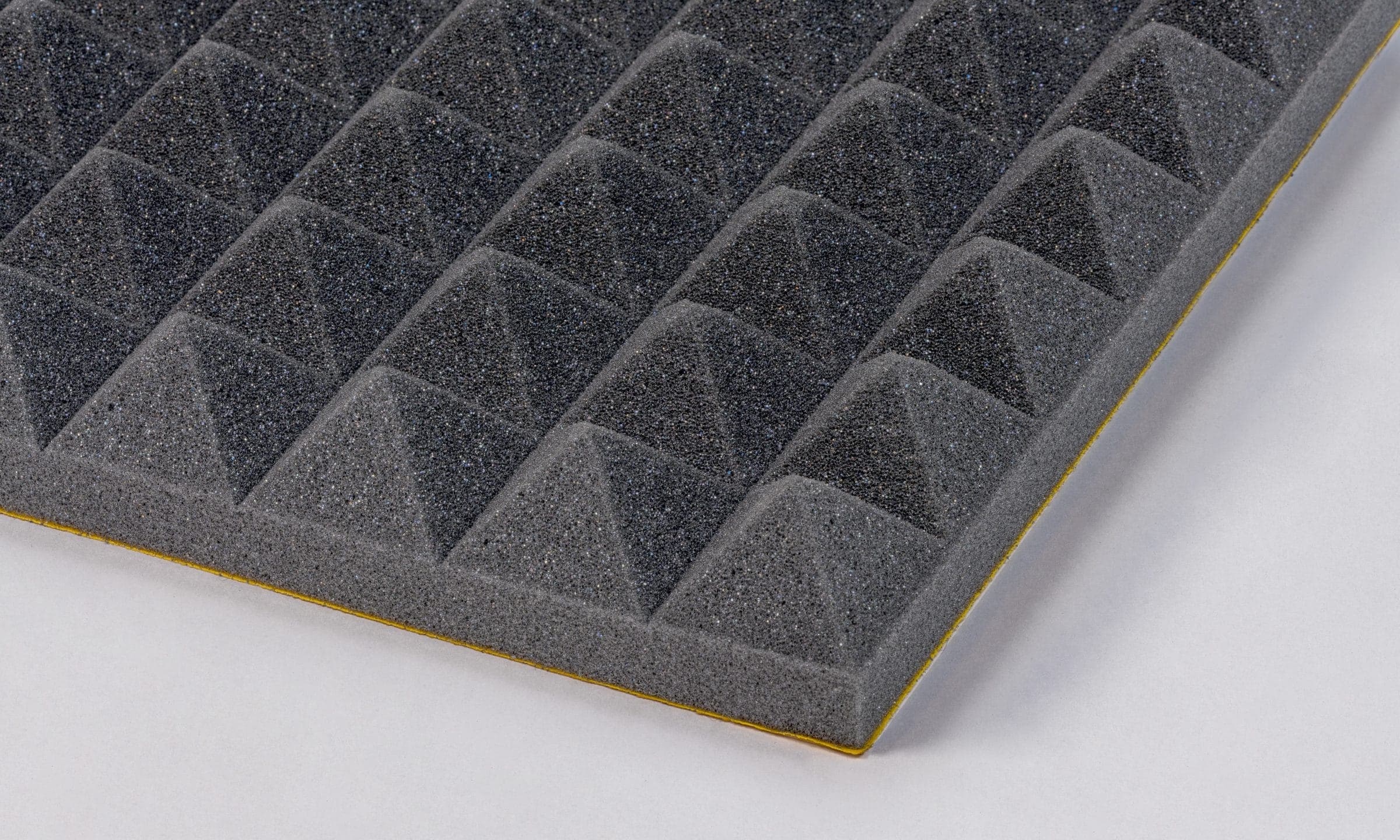
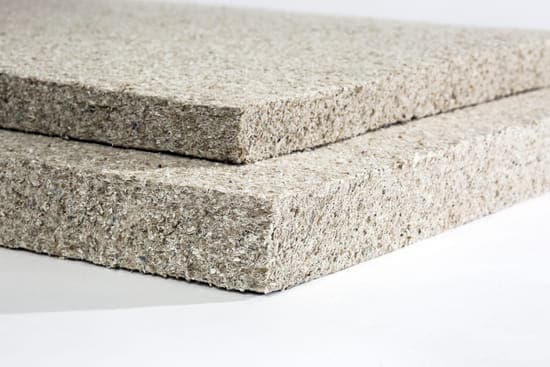
We also offer various materials that are suitable for cavity insulation, which are placed between the studs. For the insulation of insulation walls, you can, for example, choose Cyclin Puur, EASYpol polyester wool, and Ecosorb.
These materials are sustainable and offer excellent alternatives to the well-known glass wool and stone wool panels.
FAQ
What is a soundproofing partition wall?
A sound-insulating false wall is a decoupled wall placed in front of an existing wall to reduce sound transmission between rooms. The false wall is acoustically decoupled from the original structure, making it harder for sound vibrations to be transmitted. A resilient material is placed between the two walls, achieving high sound insulation with relatively little additional mass. This principle is known as the mass-spring-mass system.
How does a partition wall against noise pollution work?
A partition wall works on the principle of a mass-spring-mass system. In this system, a second mass (the partition wall) is added to the first mass (the existing structure) via a resilient and flexible connection. The mass of the main structure, the mass of the partition wall, and the flexibility of the spring together determine the final sound insulation value. The more mass and the more flexible the spring (more cavity space), the higher the sound insulation value.
What is the construction of a soundproofing' face wall?
A sound-insulating false wall is constructed according to the mass-spring-mass principle:
1. First mass: the existing wall.
2. Spring layer: a decoupling and vibration-dampening material, such as Cyclin.
3. Second mass: a closed panel, for example, a double layer of plasterboard.
It is important in this construction that the entire false wall is acoustically decoupled from the surrounding structure. This is achieved by applying a vibration-isolating edging strip around the wall.
Is a partition wall suitable for neighbor noise?
Yes, a false wall is effective in reducing noise from neighbors, especially airborne sounds such as voices and televisions. Most of the sound is transmitted through the dividing wall between the houses. However, sound can also resonate through adjacent structures, such as floors or ceilings. Therefore, the effect of a false wall on impact noise, such as footsteps, is often limited. In that case, it's better to address the noise as close to the source as possible, for example, with a floating floor construction.
Can I install a soundproofing partition wall myself?
A sound-insulating partition wall is typically installed by a building contractor, but experienced DIYers can also easily install it themselves. The Cyclin partition wall is designed with ease of use in mind and comes with clear installation instructions, which can be easily downloaded from the product page.