





Cavity filling
An cavity is the open space between two parts of a construction, such as an inner and outer wall. This space is often filled with thermal insulation material but is also very suitable for reducing sound transmission. By filling the cavity with the right material, you improve the sound insulation of the entire structure.



Why does cavity filling help against noise?
A cavity wall already contributes to sound insulation because sound weakens as it travels further. Filling this space with insulating material makes the sound even more effectively damped. This is because the material provides additional resistance against sound waves. Cavity filling can be applied in various constructions with a cavity, such as walls, floors, and ceilings. It also contributes to the insulation of air and impact noise in DIY solutions like partition walls or floating floors. For optimal results, it is recommended to fill at least 70% of the cavity evenly.
FAQ
What is cavity filling?
A cavity is a hollow space within a structure, for example, between a ceiling and a floor or between a wall and a partition. When this space is filled only with air, sound and heat can easily travel. Using insulation as a cavity filler significantly reduces the transfer of sound and heat through the structure. Note: not all thermal insulation materials are suitable for sound insulation.
How does cavity filling work for soundproofing?
Sound waves passing through a wall are partially absorbed by the insulation material in the cavity. This material is porous or fibrous, converting sound into heat (energy loss). By filling the cavity, you prevent sound waves from resonating in the empty space. This reduces the so-called sound box effect. In lightweight structures, cavity filling with a high specific gravity can also provide better insulation at low frequencies due to the extra weight.
Which materials are suitable as cavity fill for soundproofing?
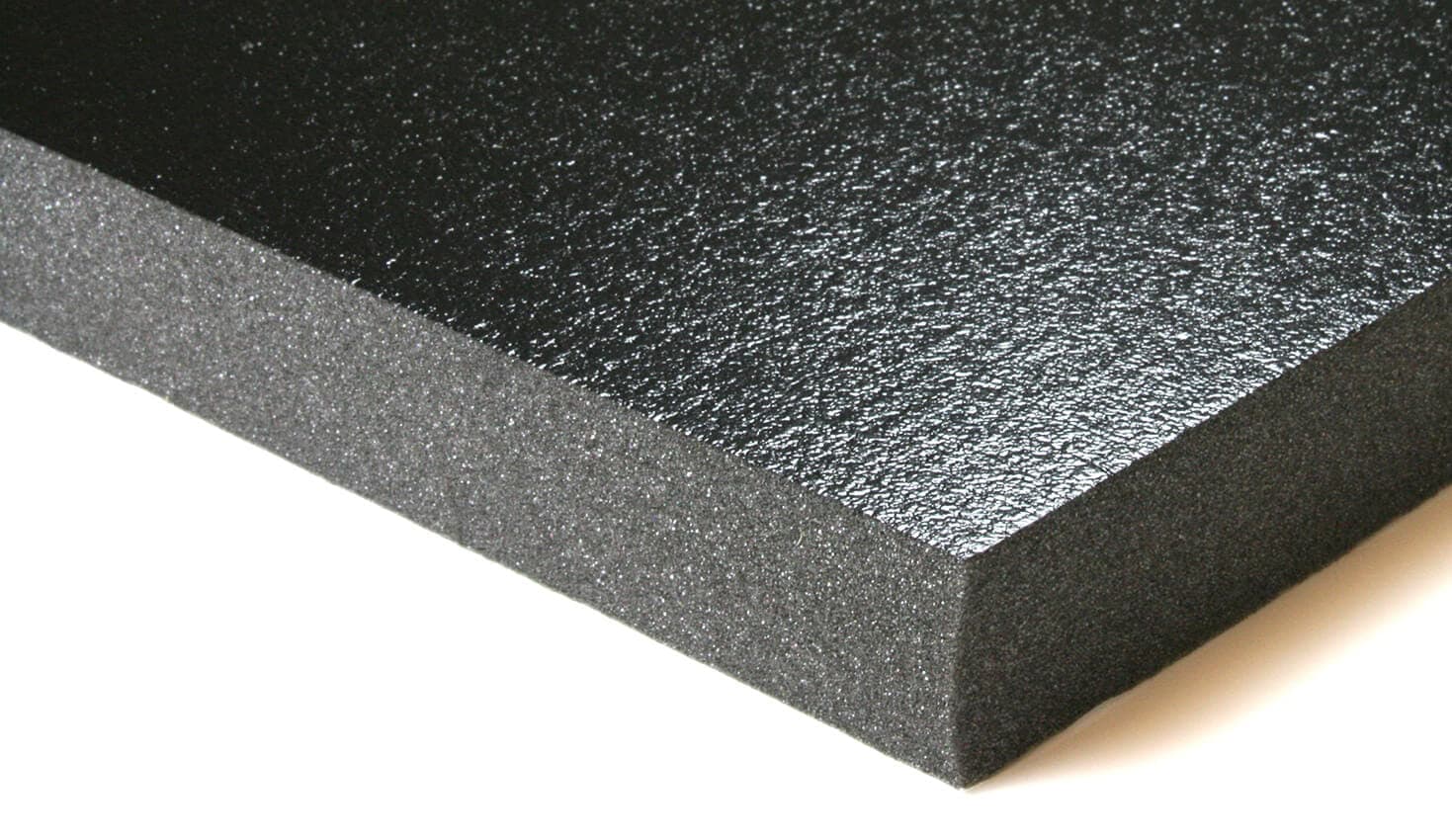
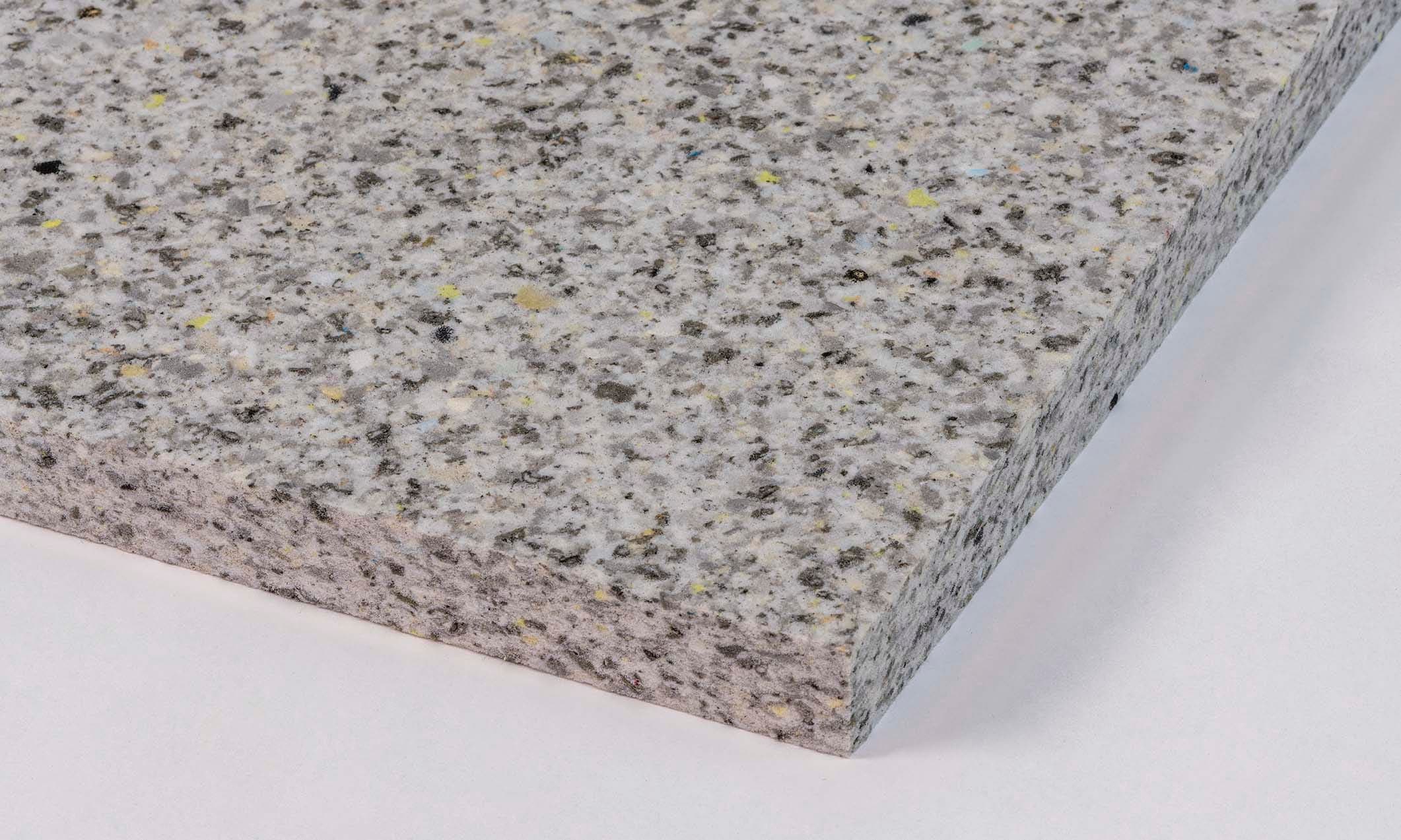
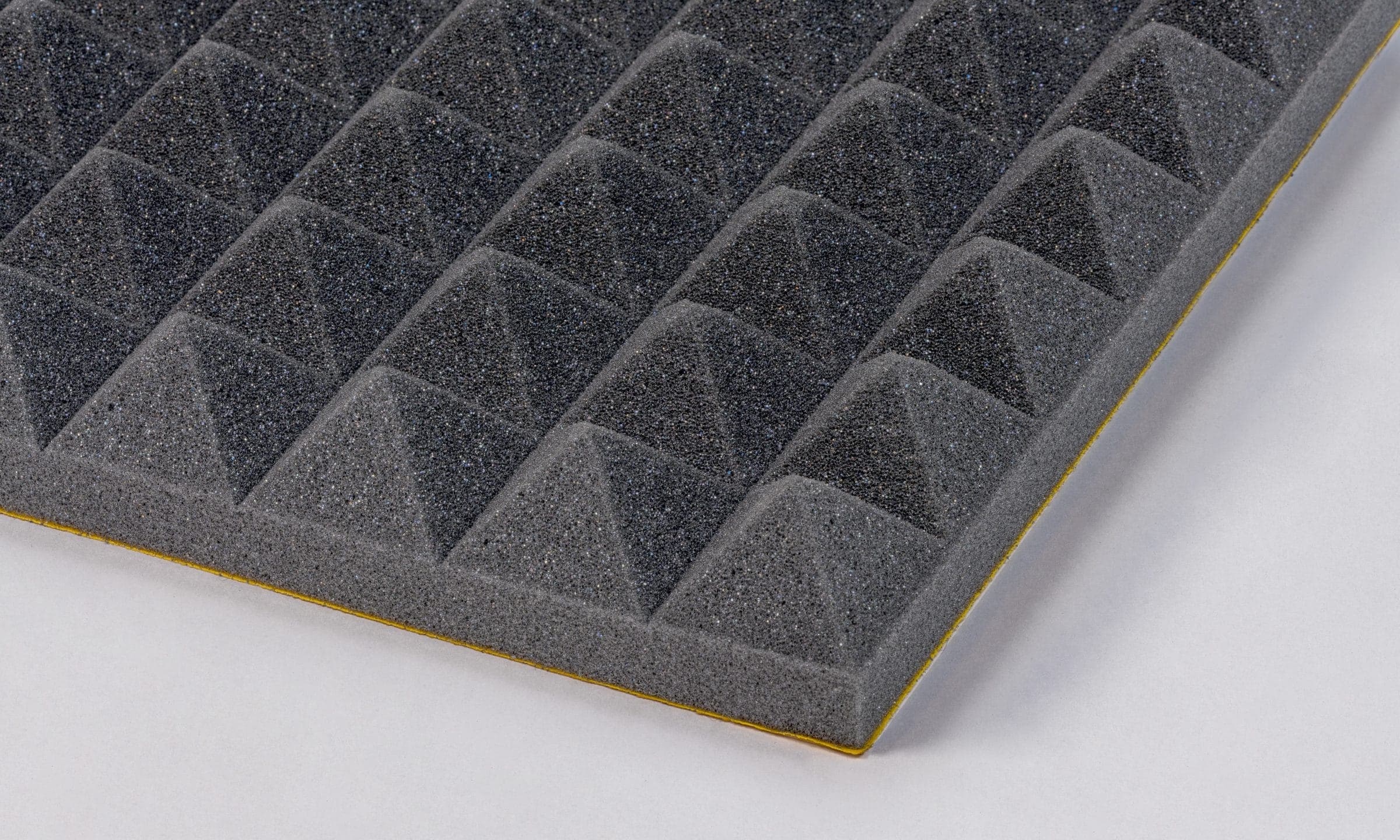
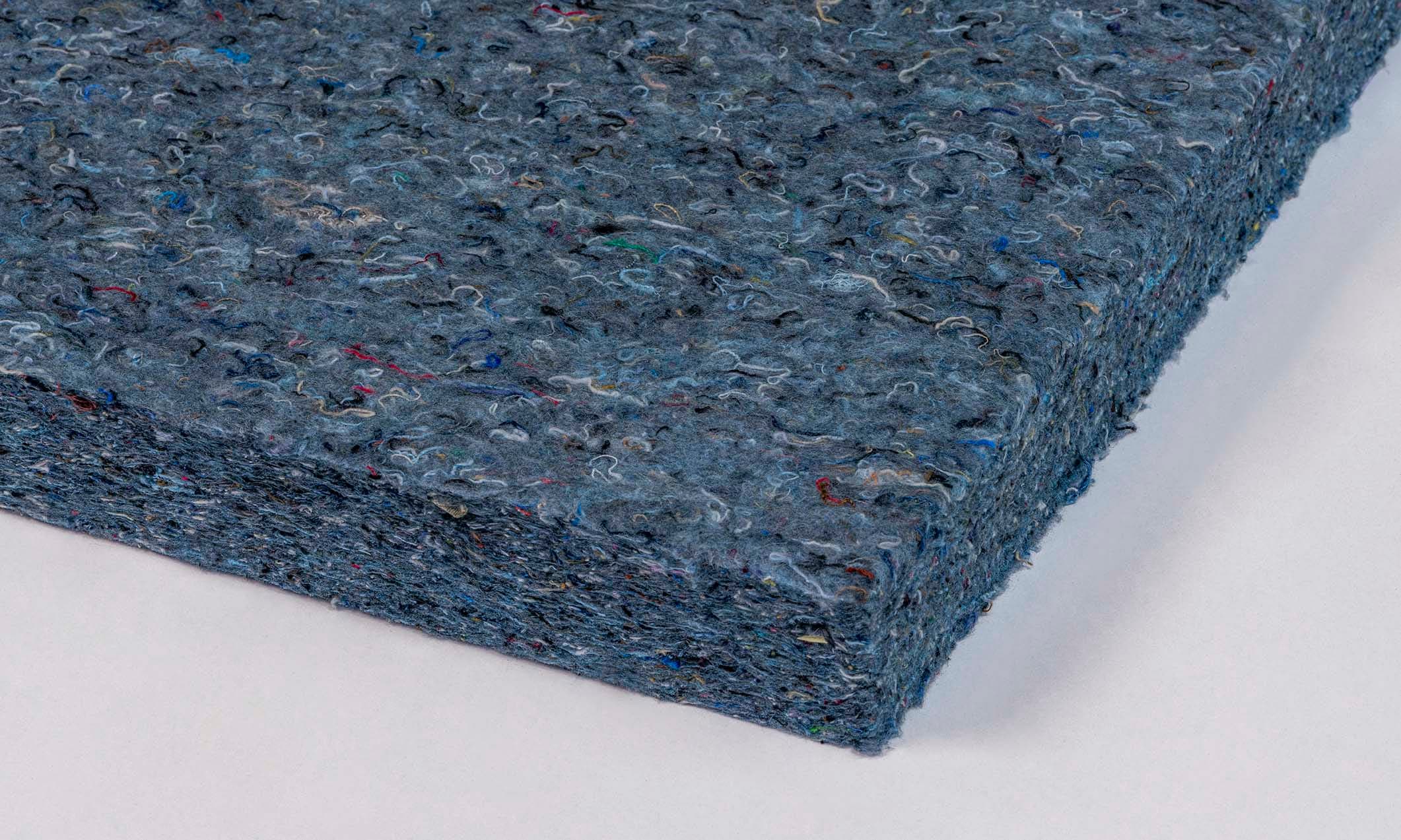
Materials with high sound absorption are suitable as cavity fillers. These are open, porous materials based on fibers or an open-cell foam structure. Products made from natural fibers, such as cellulose (Cyclin) and cotton (Ecosorb), are particularly suitable and also offer a sustainable solution.
What is the difference between cavity fill for thermal insulation and soundproofing?
Some thermal insulation materials have a closed-cell structure and are therefore unsuitable for sound insulation. Closed-cell materials, such as PUR, EPS, and XPS, are designed for thermal performance and offer little to no sound insulation. For acoustic applications, open, porous materials that can absorb sound are required.
When is applying cavity filling worthwhile?
From an acoustic perspective, it's always wise to fill a cavity with sound-absorbing material. For optimal effectiveness, we recommend filling at least 70% of the cavity depth with absorbent material to effectively reduce sound vibrations.