





Sound insulation


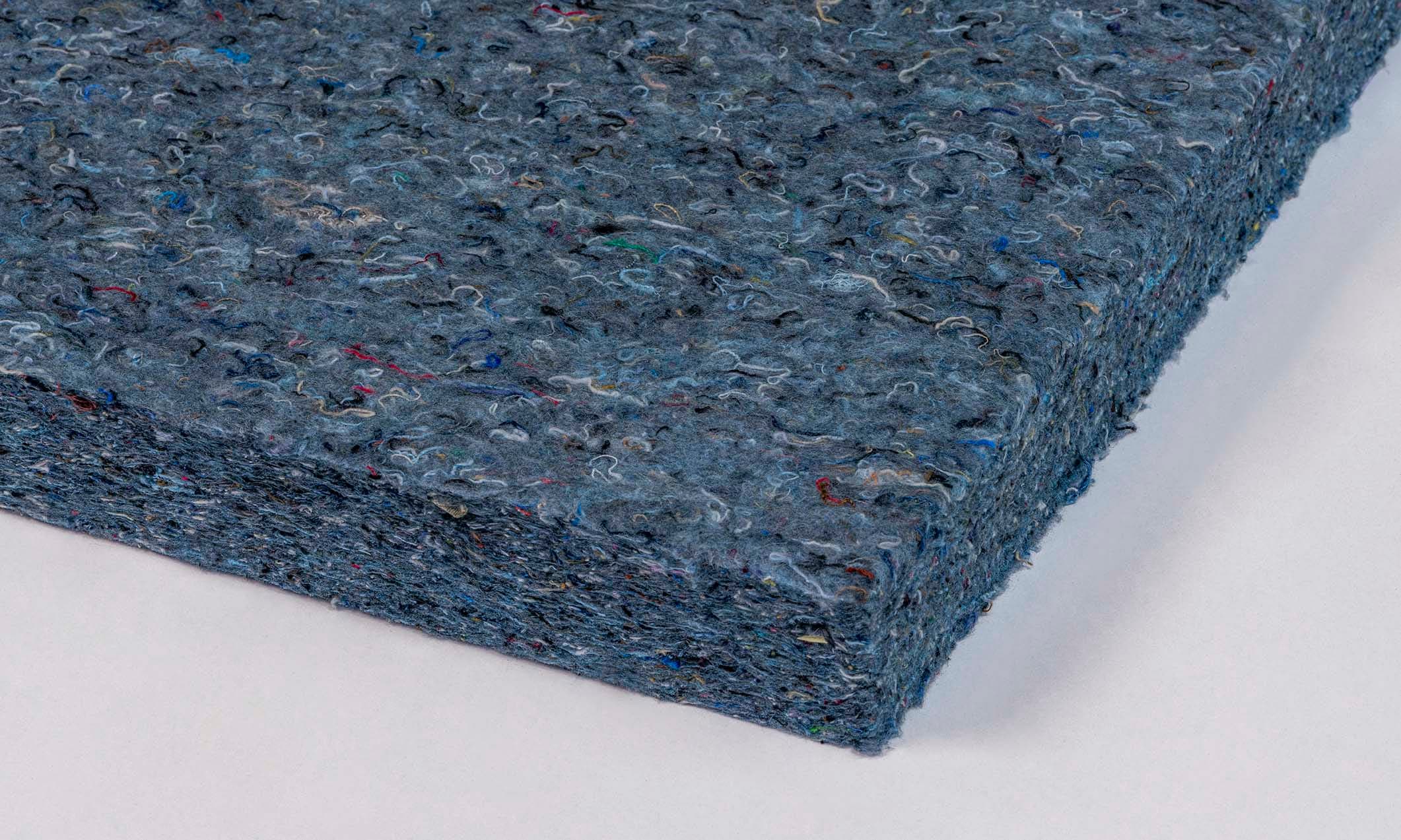
EASYpol | Polyester wool
Sound absorption
- Very long lifespan
- Insensitive to moisture
- Fireproof


Do you have a question?
Our specialists will help you


Jeroen Blekkenhorst
Inside Sales Account Manager
Get advice




FAQ
What are soundproofing panels?
Soundproofing panels are specially developed materials that reduce sound transmission between rooms.
We distinguish in this:
1. Mass loaded panels: Heavy, flexible panels such as Mass Loaded Vinyl (MLV), which block sound waves thanks to their high mass.
2. Spring-veer-spring panels: Composite panels with a heavy outer layer and an elastic intermediate layer (the "spring"). This combination provides excellent insulation over a wide frequency range.
How do soundproofing panels work?
The Easymass mass panels improve sound insulation by adding extra mass to a structure. The heavier the material, the better the sound insulation.
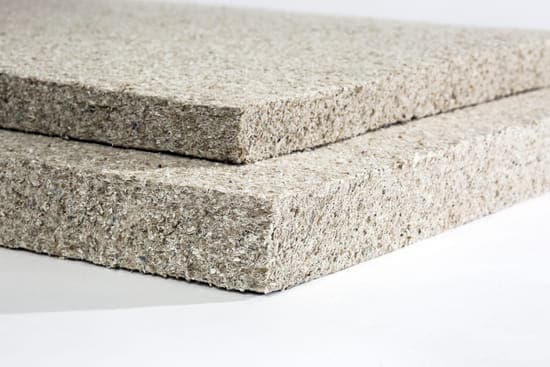
Insulation panels, such as the Cyclin insulation panel, operate according to the mass-spring-mass principle. This allows you to achieve high sound insulation with a relatively lightweight construction.
Which soundproofing panels are suitable for wall, ceiling, or floor?
Easymass mass slabs can be used in lightweight floors and partition walls.
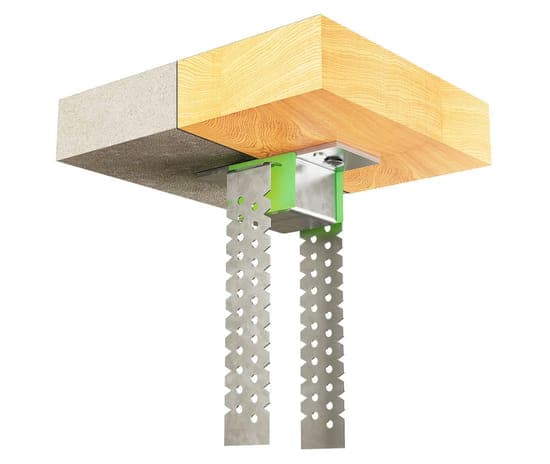
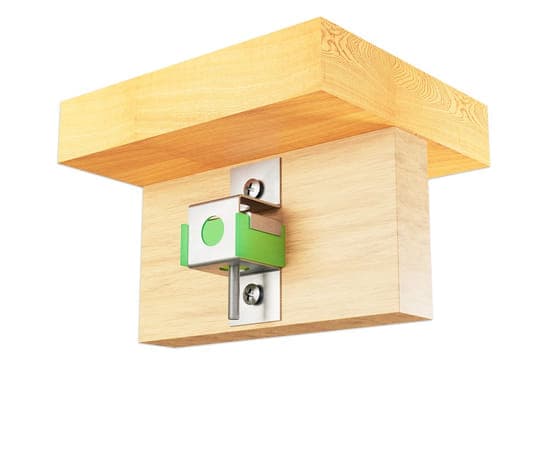
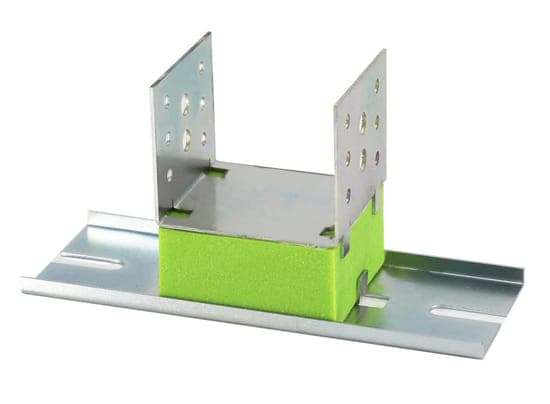
For soundproof floors, walls, and ceilings, the Easymount products are ideally suited.
Also, the Easybond vibration insulation for floors and the Cyclin insulation panels provide effective solutions for high sound insulation.
How thick should sound insulation panels be for a good result?
Thin mass panels, such as Easymass, have a high density and provide effective sound insulation at a low thickness.
They are ideal for situations where limited space is available, such as light floor constructions. For higher sound insulation, a mass-spring-mass system is often the better choice. This involves combining mass with a resilient layer, such as decoupling products or vibration isolation. This results in a construction with a minimum thickness of approximately 6 cm. This type of system is suitable for walls, floors, and ceilings where maximum performance is required.
Are soundproofing panels easy to install yourself?
In many cases, you can install soundproofing panels yourself. Some technical knowledge and DIY experience are required. It is crucial that the instructions for use are followed precisely. If the installation is not carried out correctly, this significantly reduces the insulating effect of the panels.